Guess the Plant
Seven times into a photograph of a plant is a vein, a thorn, one edge of a petal, or a patch of green with a texture on it. Green is the problem: a large fraction of the 74 plants in the deck are green at the first rung, and telling them apart means reading structure rather than colour.
The good news is that plant structure is unusually legible. Leaf architecture is close to a fingerprint, and it survives magnification better than almost anything else in the zoom games.
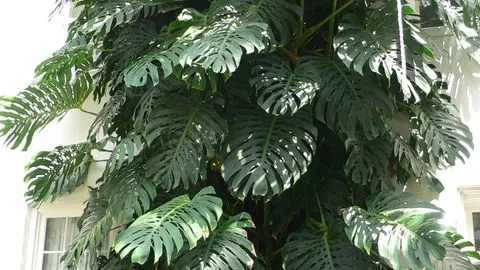
Name the plant from a close crop of a leaf or a flower.
Play Guess the PlantRead the veins
Parallel veins running the length of the leaf mean a monocot: grasses, palms, bamboo, orchids, bulb flowers, banana. Branching veins in a net mean everything else. That single distinction splits the deck almost in half and it is visible in a crop that contains no leaf edge at all.
Then the margin, if you can see one. Smooth-edged leaves, toothed leaves, lobed leaves and needles are four different worlds. A deeply lobed leaf with points is a maple; a compound leaf with leaflets radiating from one point is a horse chestnut; needles in bundles are pines.
Surface texture is the third read. A waxy cuticle that reflects the light in a hard sheen means a plant built for drought — succulents, agave, aloe. Dense hairs, called trichomes, catch light as a soft halo at the leaf edge and belong to sundews, sensitive plants and a lot of the Mediterranean shrubs. Sundew trichomes end in a visible bead of glue, which is one of the prettiest rounds in the game and also one of the easiest.
Bark, and the plants that are not leaves
Twenty of the 74 are trees, and for a tree the crop often lands on bark rather than foliage. Bark is more distinctive than people assume: birch peels in horizontal papery strips, plane trees shed in irregular plates, baobab is smooth and swollen, and giant sequoia is deeply fibrous and reddish. If you land on bark, stop looking for a leaf.
The deck also holds four carnivorous plants, three cacti, three succulents, two aquatic plants and a handful of oddities — welwitschia, living stones, rafflesia, titan arum. Those are the rounds where the first rung looks like something that should not be a plant at all, which is itself the clue.
The ladder
7x, 4.5x, 3x, 2x, 1.3x. The flower, when there is one, tends to appear only on the last rung or two, so a round where you can see a petal early is a round where the photograph was of a flower to begin with.
Two rules decided what got into the seed list. The article has to lead with a photograph — a lot of older botany articles lead with a nineteenth-century Köhler engraving, and a 7x crop of an engraving is a guessing game about ink. And the photograph has to be of the living plant rather than the produce, which is why the fruit articles whose lead image is a bowl on a kitchen counter are absent.
Scoring
Ten rounds, five rungs, 1000 down to 150. The reveal caption names the plant and what kind it is, which over a few runs teaches the categories the game is actually testing: 20 trees, 8 flowering plants, 7 shrubs, 5 climbing vines and a long tail of everything else.